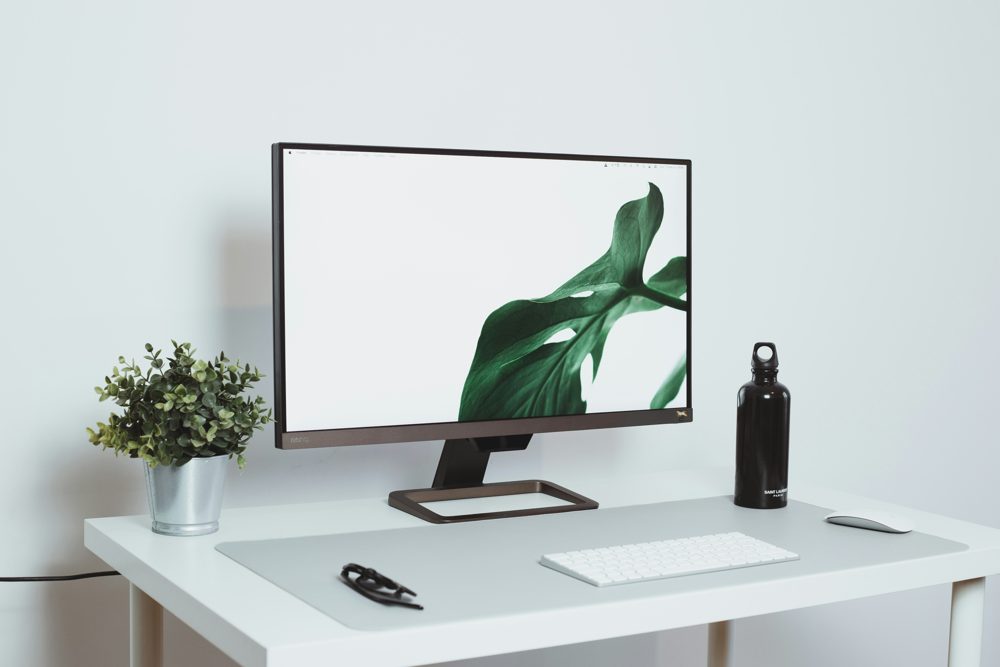
Many desks are either too small for the work or so large they swallow a room. Thinking about dimensions before you buy saves you from a desk that does not fit your screen, your arms or your space. This guide covers width, depth and layout in plain terms.
Width
For a laptop and a few papers, a desk about 40 inches wide is workable. For a single monitor, keyboard and mouse, 48 to 55 inches is more comfortable. For two monitors or lots of equipment, 55 to 70 inches gives space to spread out. Measure the room, and leave space for the chair to move.
Depth
Depth affects how far your monitor sits from your eyes. A depth of about 24 inches is the minimum for most setups, while 28 to 30 inches gives more distance and room for a keyboard and notes. A desk that is too shallow forces you to sit too close to the screen.
Height
Standard desks are about 29 to 30 inches high. Your elbows should rest at roughly a right angle when your hands are on the keyboard. If the desk is too high or too low, adjust the chair, add a footrest or choose an adjustable desk.
Plan the layout
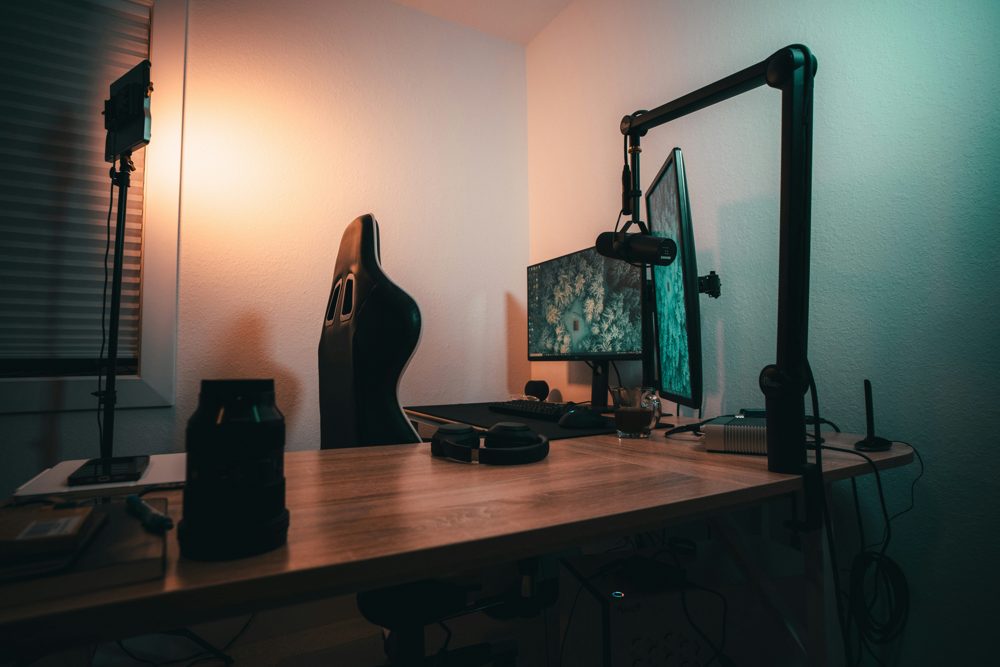
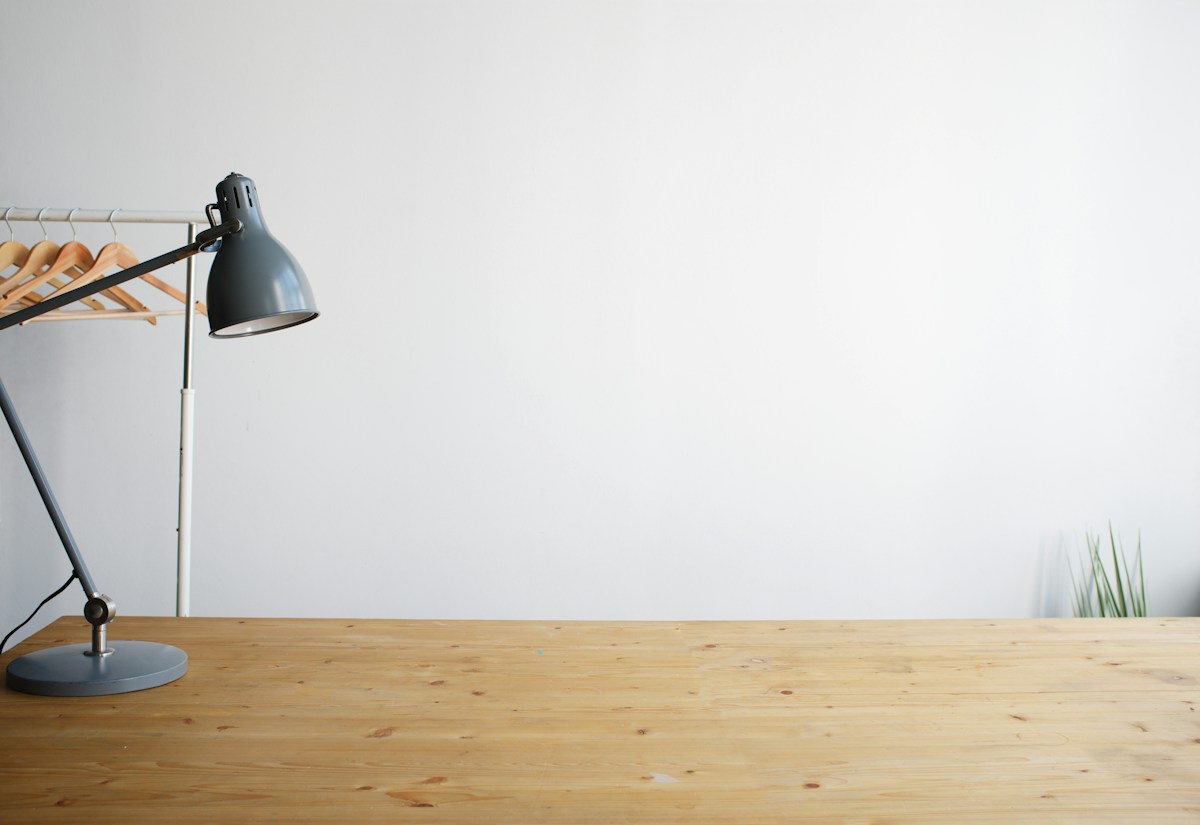
Divide the surface into zones. Put the monitor, keyboard and mouse in the main zone, in front of you. Keep notes, a notebook and a phone within easy reach on your writing side. Place the lamp where it does not cast shadows, and keep drinks away from equipment.
L-shaped desks
An L-shaped desk gives separate areas for the screen and for paperwork, and it uses a corner well. Check that the room has space for the full shape, and consider which side the return should go on. They can feel large in a small room.
Leave clearance
Allow about 30 inches behind your chair to move in and out, and a clear path to the door. Check that drawers can open fully, and that cables reach the outlet without crossing the floor.
Test before you commit
Mark the desk size on the floor with tape, and sit at it with your chair to see how it feels. If you are buying online, check the listed dimensions in inches, not only the product photos.
Add-ons that help
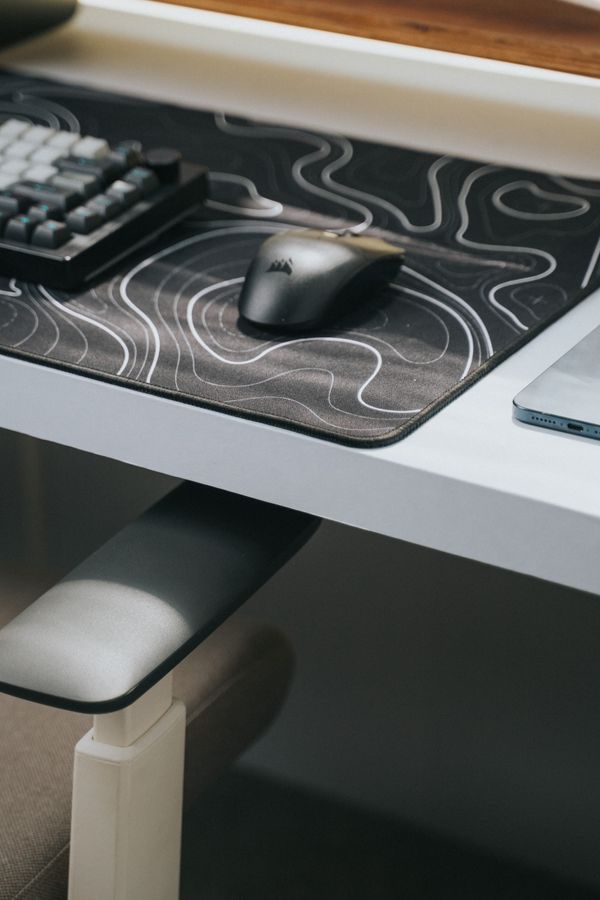
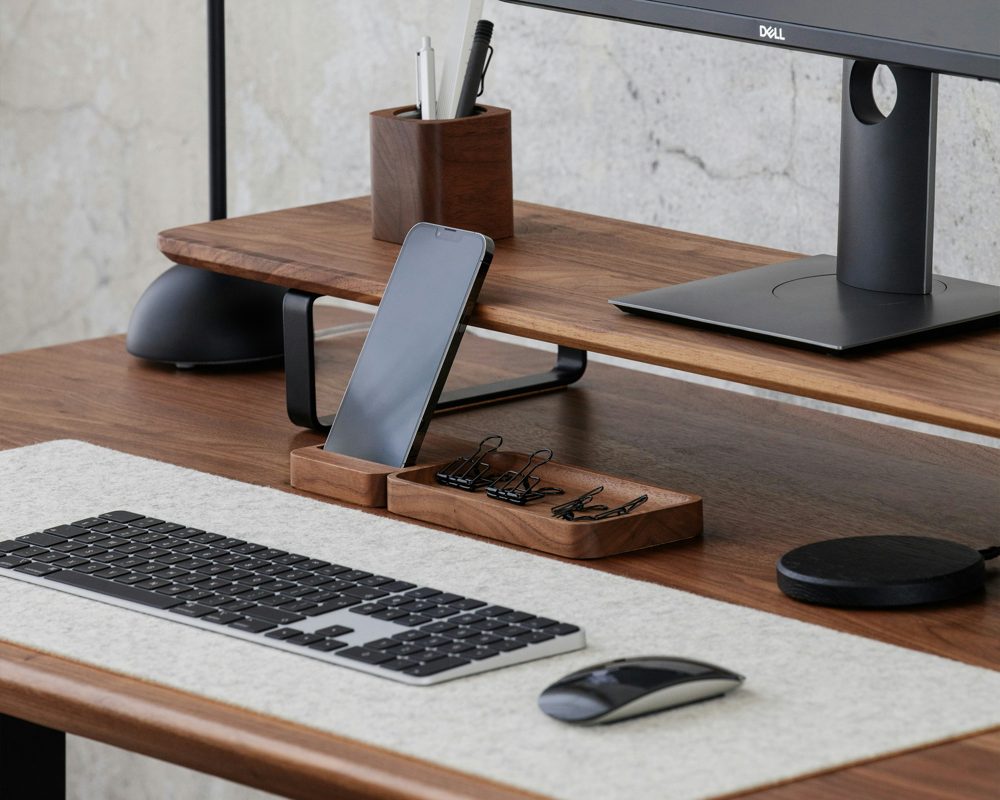
A large desk mat defines the work area, a shelf riser adds storage above the surface and a lamp lights paperwork and screens.