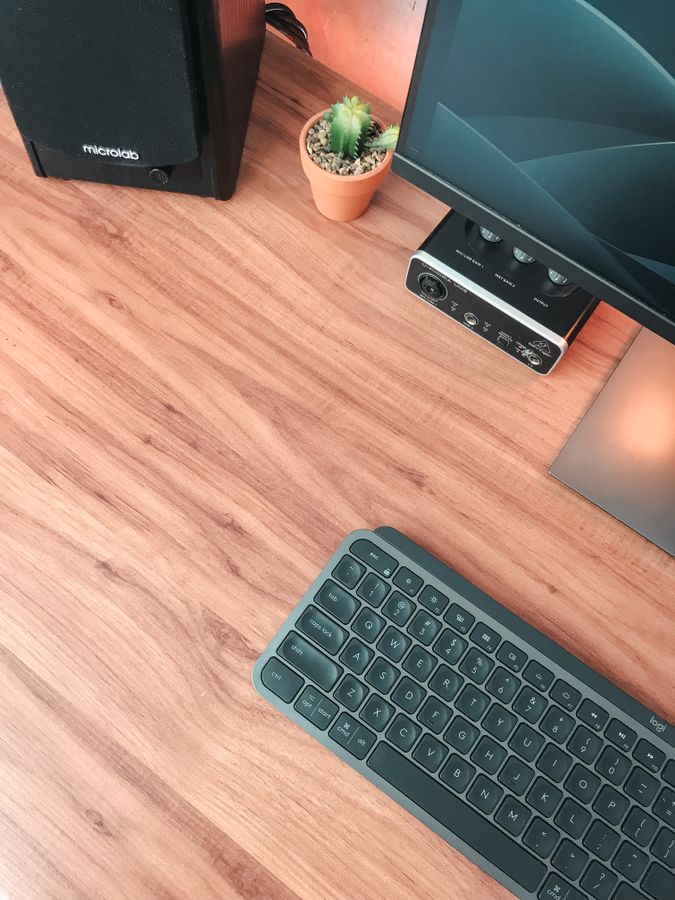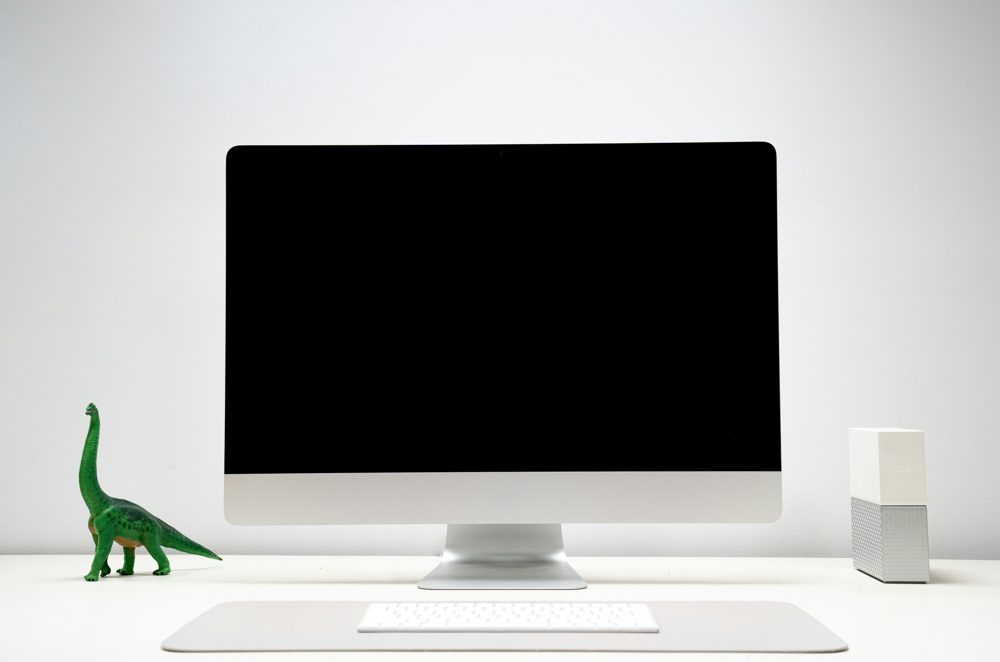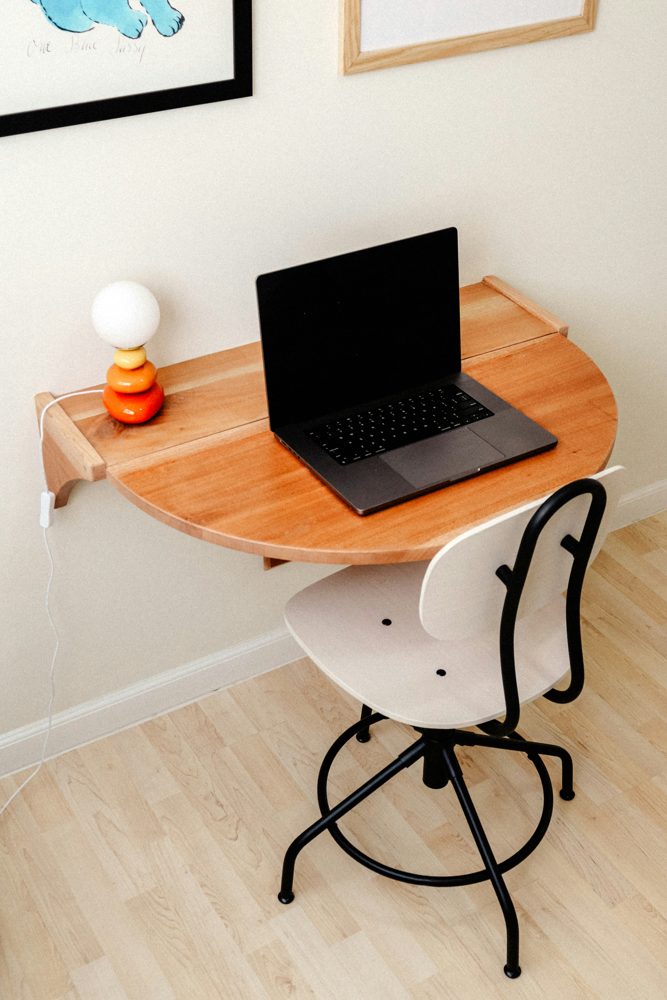
You do not need a spare room to work from home. A corner, a bedroom nook or a hallway can become a workable office if you plan the space and choose furniture that fits. This guide covers how to pick the spot, choose a desk and keep the area tidy and comfortable.
Pick the spot
Look at the space you have with fresh eyes. A corner near a window gives natural light and a view. A spot away from the television and the kitchen helps you concentrate. Check that there is an outlet close by, and consider Wi-Fi strength. If you can, choose somewhere that you can leave at the end of the day, so work does not follow you everywhere.
Choose a desk that fits
- A compact computer desk fits corners and narrow spaces.
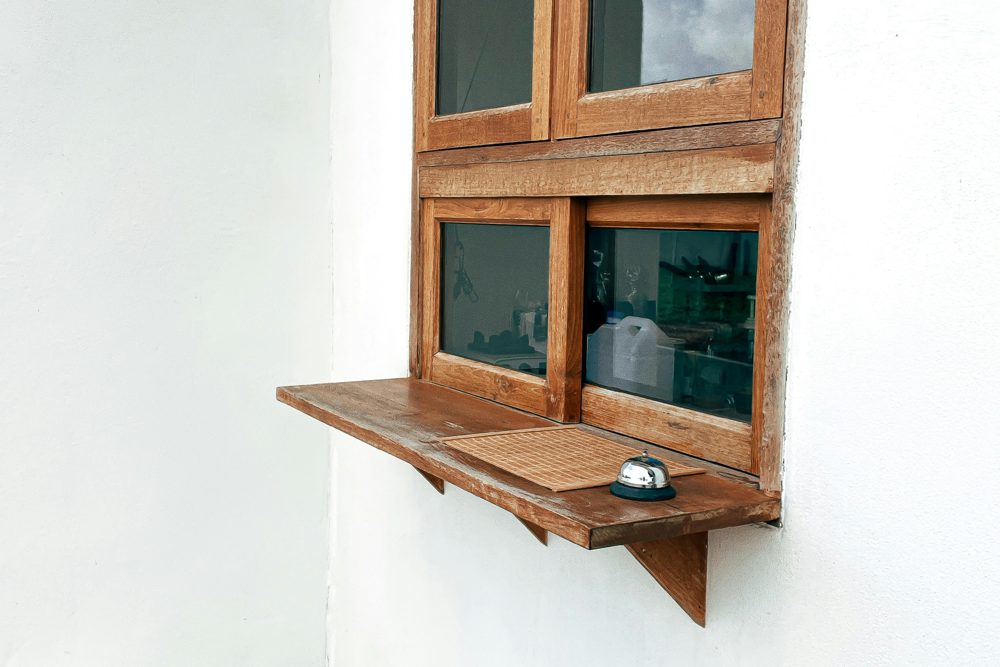
- A wall-mounted folding desk folds flat when you are done, which suits shared rooms.
- A narrow console table can work as a desk for a laptop.
- A secretary or cabinet desk closes and hides your work.
Measure the space and leave room for the chair. A desk about 40 inches wide is enough for a laptop, and a depth of 20 to 24 inches works for most small setups.
Use vertical space
Shelves above the desk, a pegboard or a narrow bookcase free up the surface. A monitor stand with storage underneath lifts the screen and adds a place for a keyboard or notebooks. Keep items you use daily at the desk and store the rest.
Sit comfortably
A good chair matters more than a large desk. Choose one with adjustable height and back support, and make sure it fits under the desk. If space is tight, a stool that tucks away may suit short sessions, but not full days.
Light the area
Natural light is best, but it can cause glare on a screen, so place the monitor at an angle to the window. Add a desk lamp for paperwork and for the evening. Warm bulbs make a bedroom corner feel less like an office.
Hide the clutter
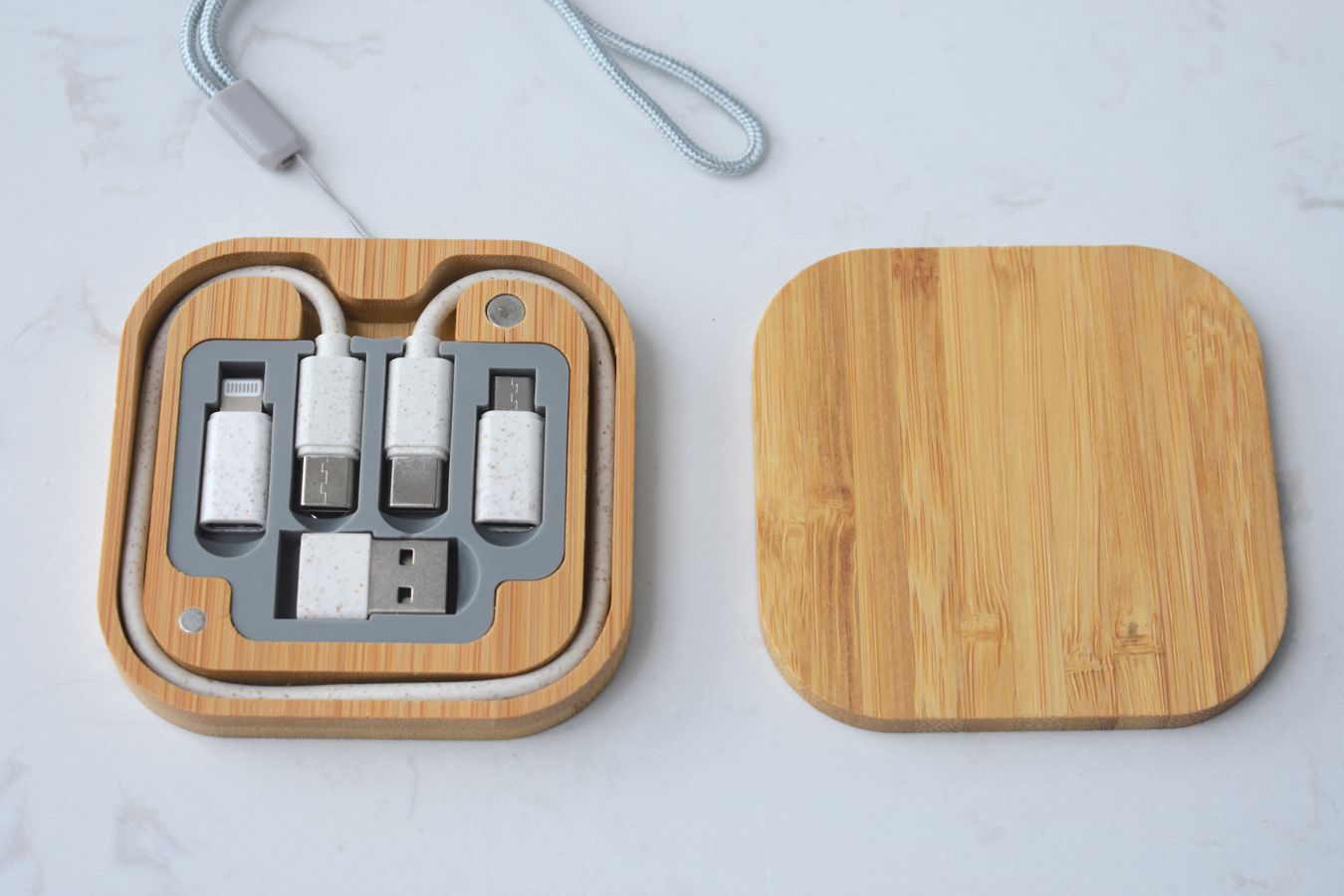
Cable management is especially important in a small room. A cable box hides the power strip, and clips keep cables along the edge of the desk. Use boxes or baskets to put work items away at the end of the day.
Manage noise and privacy
Headphones reduce noise from other people. A bookcase or a folding screen can mark out the work area and block the view of your desk.
Make it feel separate
A small rug, a plant or a different lamp can signal that this is your workspace. At the end of the day, close the laptop and tidy the desk so the room can return to its other use.