A good office chair makes a long day easier, and a poor one makes it a struggle. Price does not always tell you which is which. This guide lists the adjustments and features that matter, so you can judge a chair from its description or in a shop. It is general information, not medical advice.
Seat height
You should be able to sit with your feet flat on the floor and your knees at roughly a right angle. A gas lift lets you adjust the height, and most chairs cover a typical range. Check the range in inches against your height and your desk height.
Seat depth and width
The seat should support your thighs without pressing behind the knees. You should be able to fit two or three fingers between the seat edge and the back of your knee. Some chairs let you slide the seat forward or back. A seat that is too narrow feels cramped, and one that is too wide leaves your arms too far apart.
Back support
Look for a backrest that follows the curve of your spine, with adjustable lumbar support if possible. A backrest with height adjustment suits more body sizes. A tilt mechanism lets you lean back slightly, and a tension control adjusts how much resistance you feel.
Armrests
Adjustable armrests let you rest your forearms without lifting your shoulders. Height, width and angle adjustments help. Some people prefer no armrests, so the chair slides under the desk. Padded armrests are comfortable, though hard ones can be easier to clean.
Mesh or padded
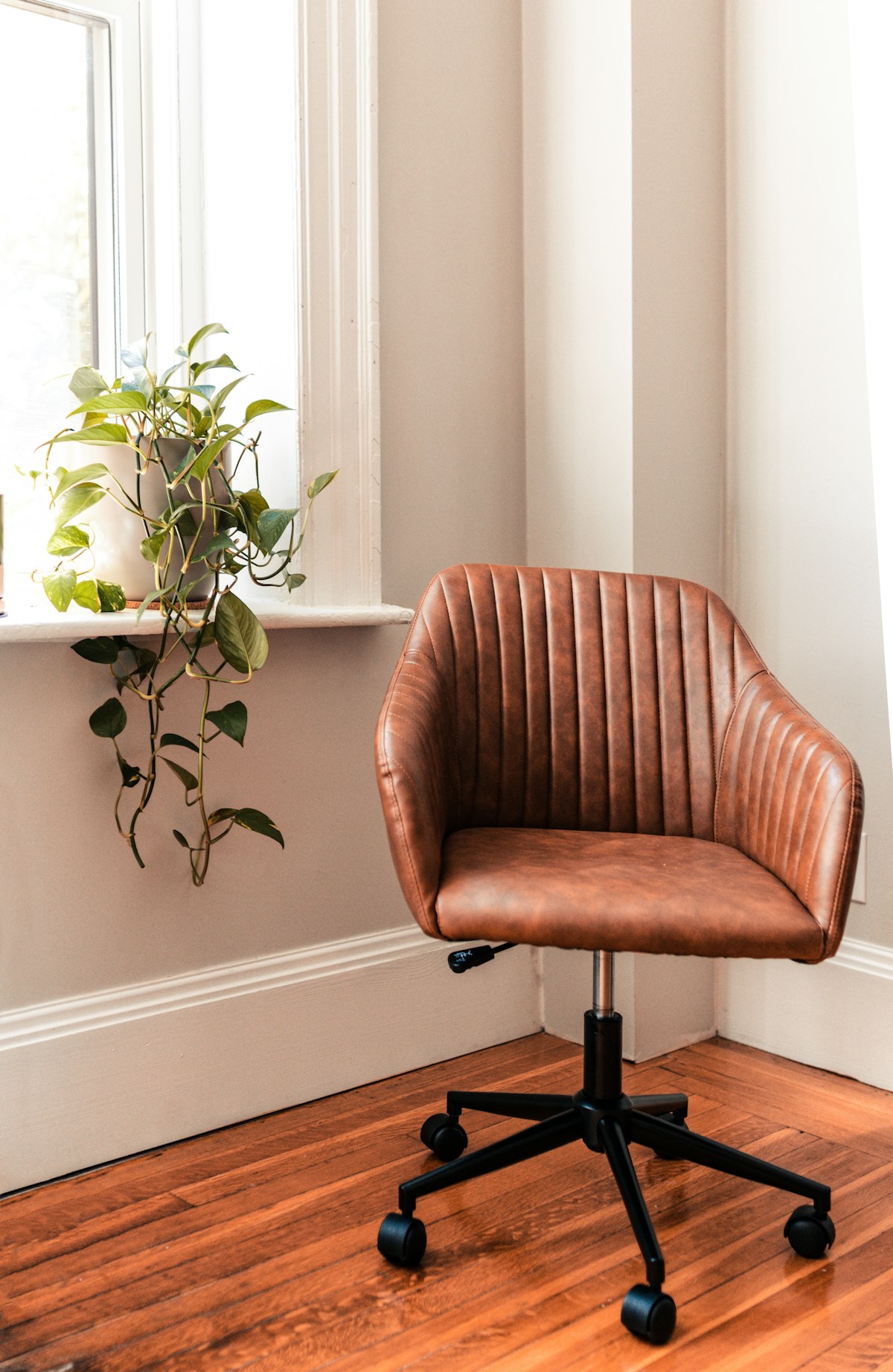
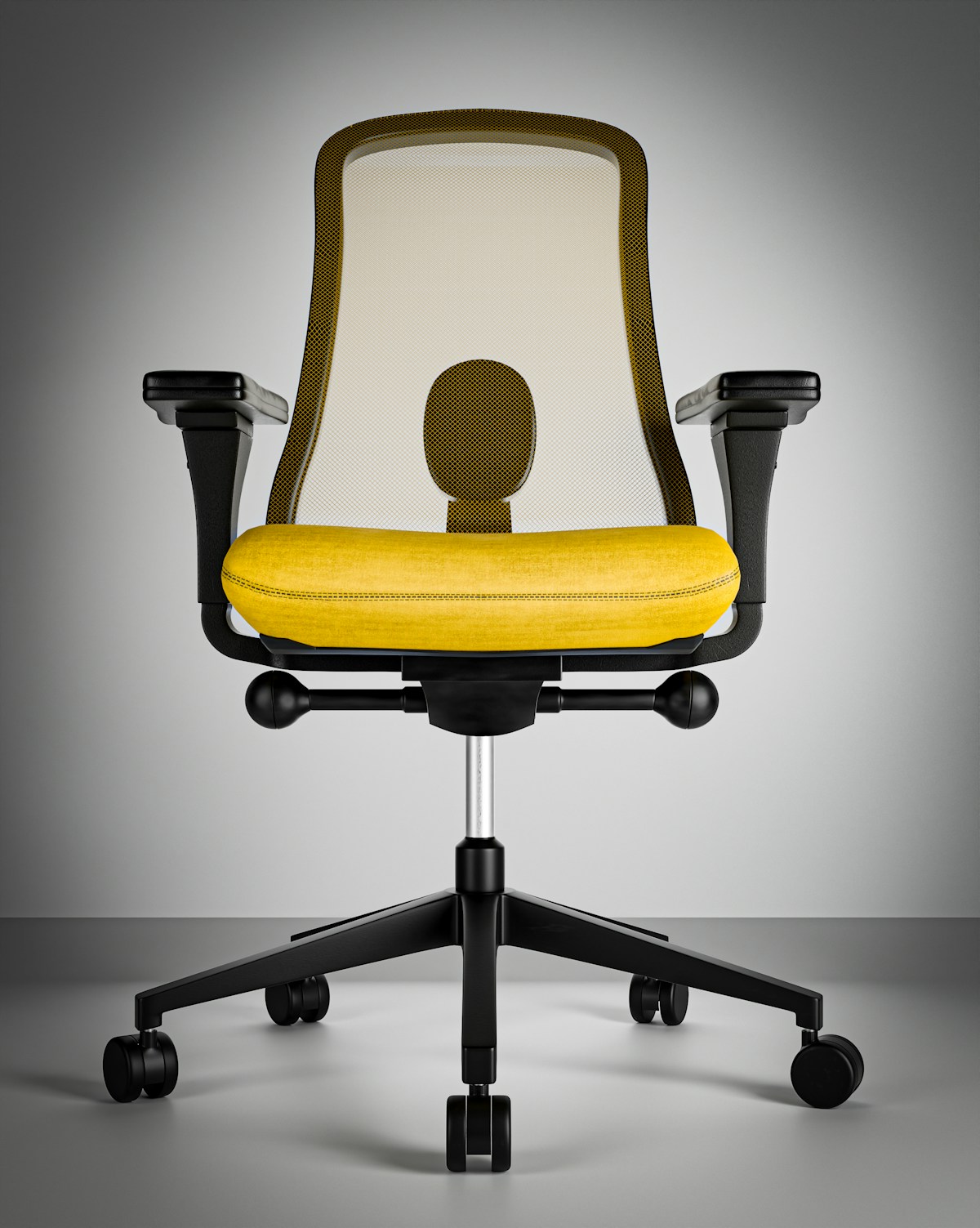
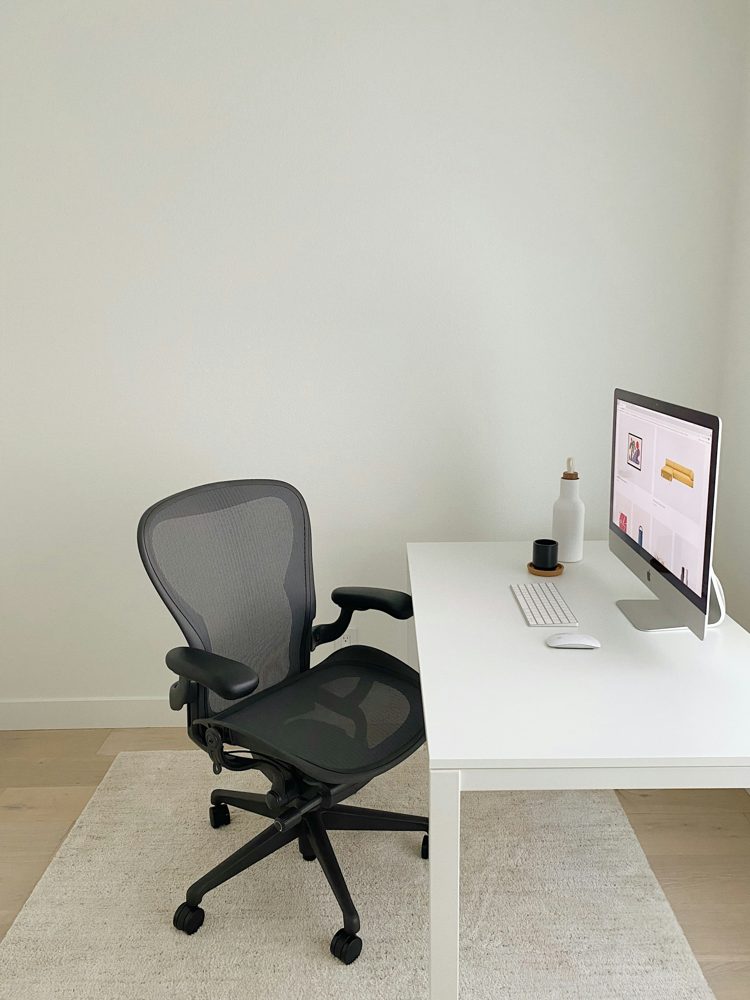
A mesh back is breathable and keeps you cooler, and it flexes slightly. A padded chair feels soft, and many people find it more comfortable at first, though it may feel warm. Check the seat padding for how it holds up over time.
Base and wheels
A five-point base is stable. Casters designed for hard floors have softer wheels that protect wood and tile, and those for carpet are harder. Check the weight capacity and the warranty.
Try before you commit
If possible, sit in the chair for at least ten minutes. Adjust everything, and note how you feel. When buying online, check the return policy, and read reviews that mention assembly and long-term wear.
Stools and alternatives
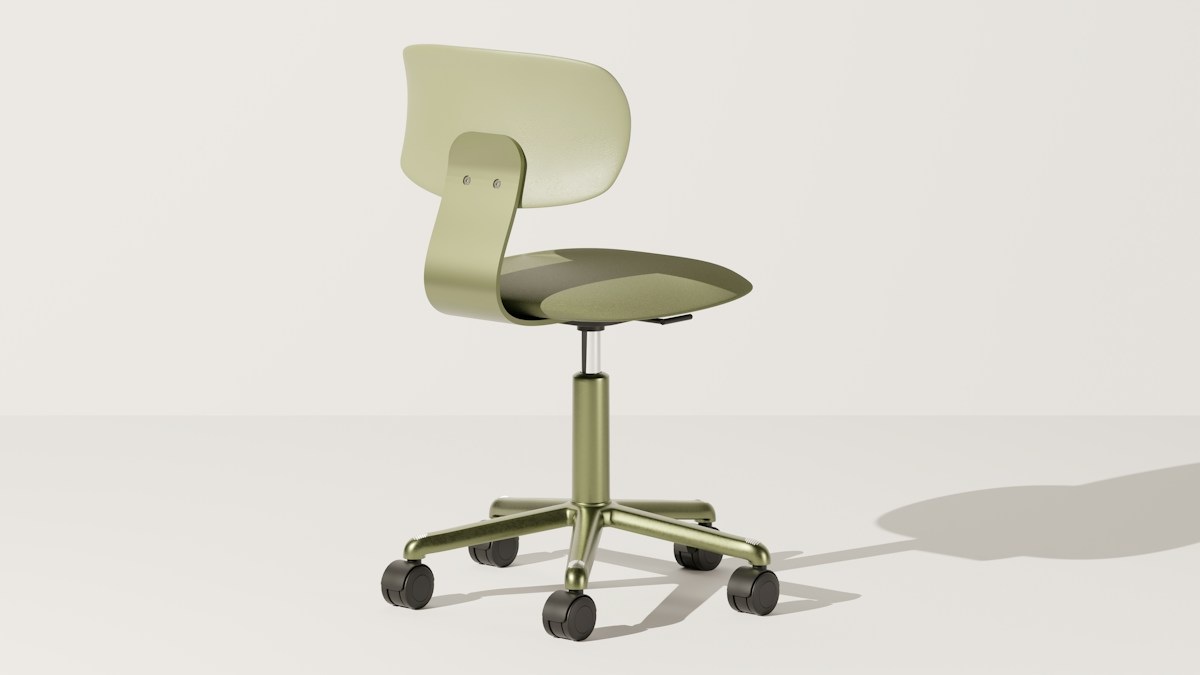
An office stool is lighter and takes up less room, which suits short tasks, but it is not recommended for a full day.
Adjust it properly
Once you have a chair, adjust the seat height, the back and the armrests, and take breaks to stand and move.