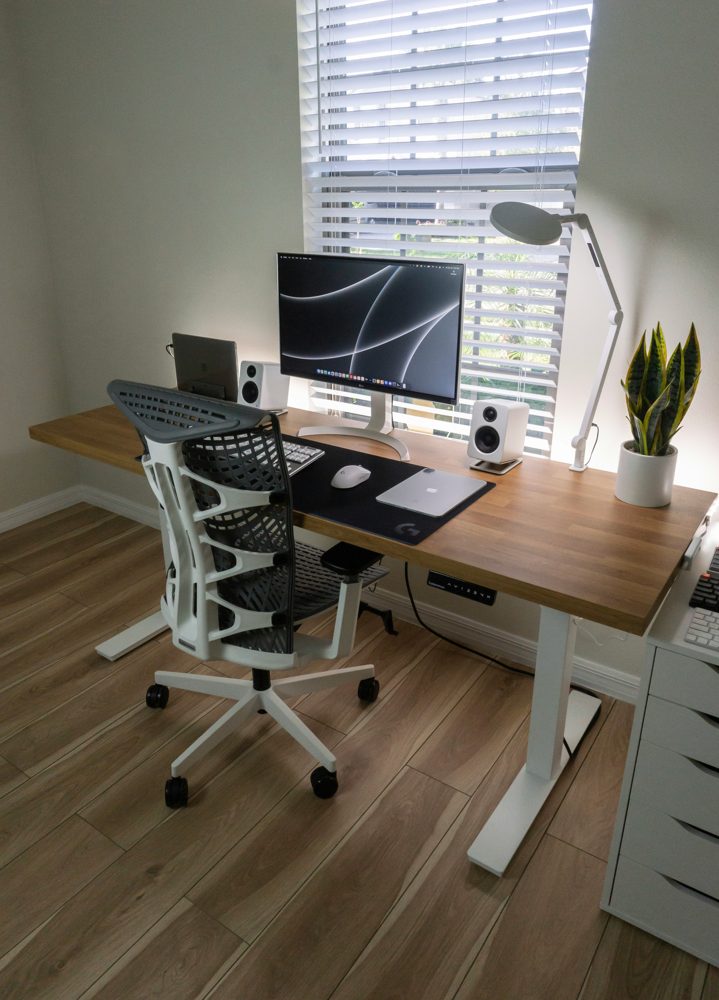
A standing desk lets you alternate between sitting and standing during the day. Models vary a lot in stability, noise and price, so it helps to know what to check. This is general information, not medical advice, and the aim is simply to change position and move more often.
Full desks or converters
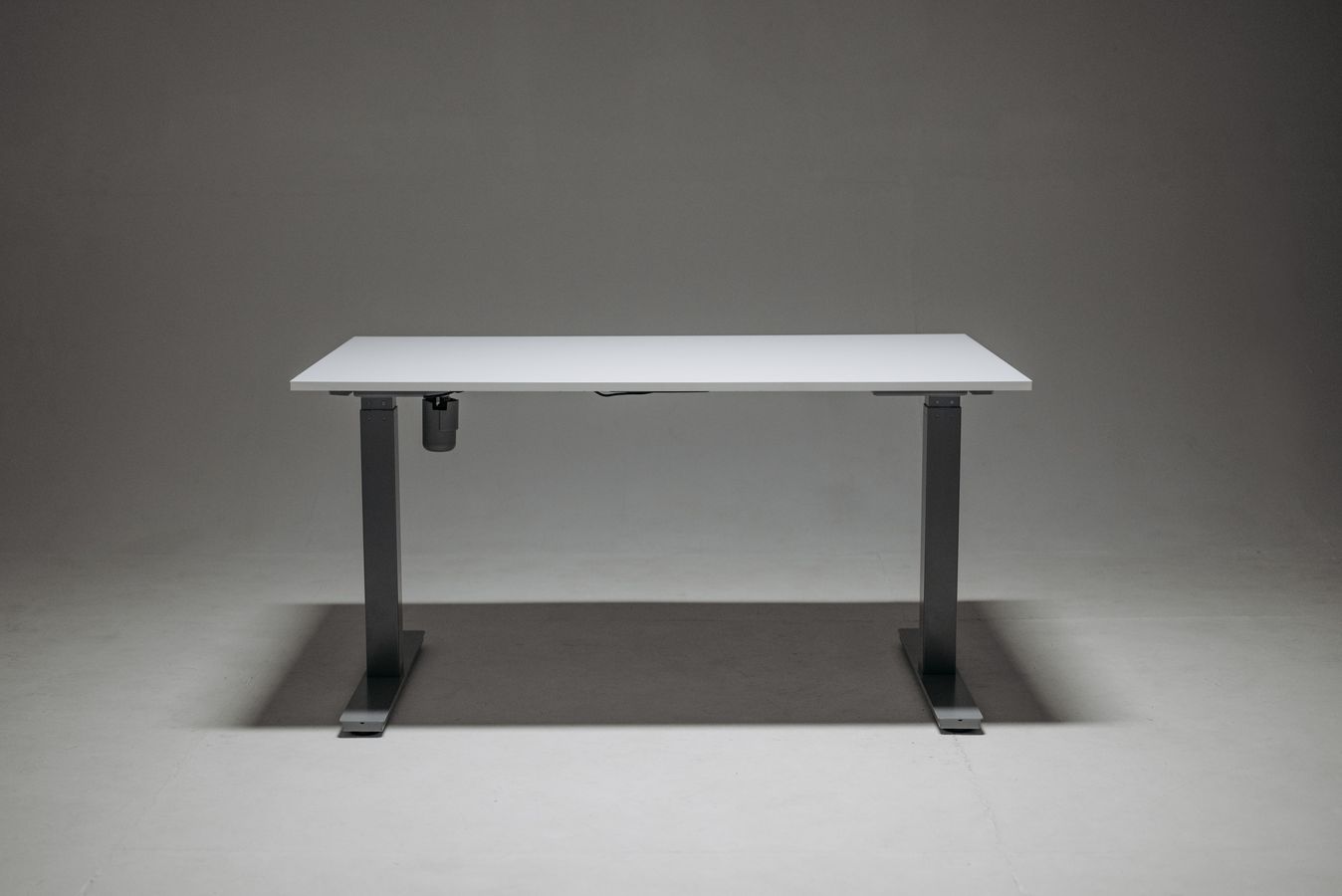
- A full standing desk replaces your current desk. It has a frame with adjustable legs and a top.
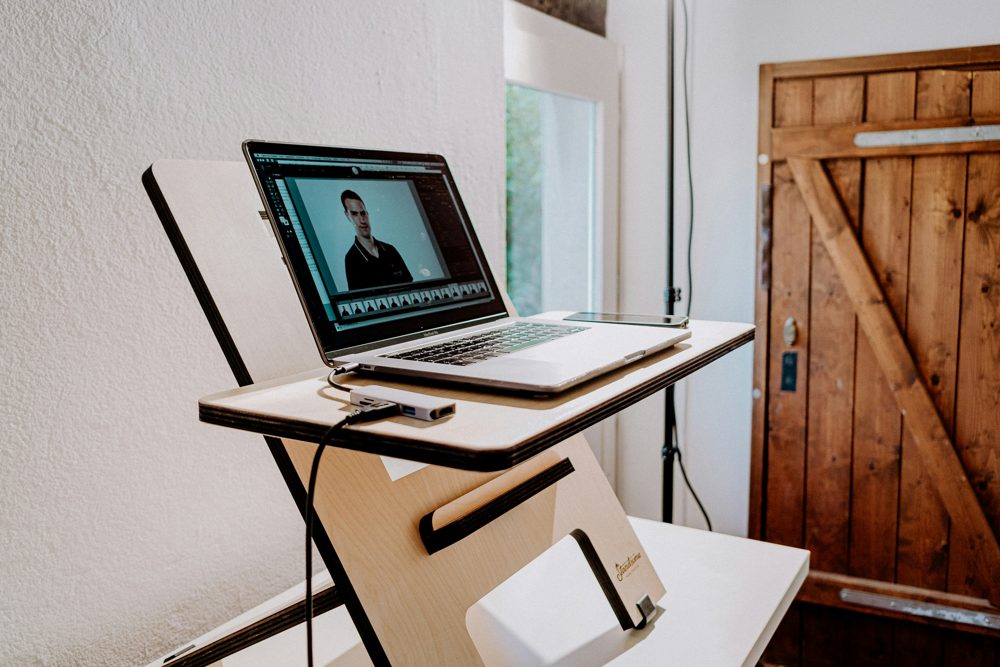
- A desk converter sits on top of your existing desk and lifts the monitor and keyboard. It is cheaper and easier to move, but it may reduce your work surface.
Electric or manual
Electric desks raise and lower at the press of a button, and many have memory presets. Manual crank desks are cheaper and have no motor, though adjusting takes more effort. Gas-lift converters are usually spring-assisted.
Height range
Check the minimum and maximum heights in inches. Your elbows should be at about a right angle when typing, both sitting and standing. Taller users need a higher maximum, and shorter users need a lower minimum.
Stability
Wobble is the common complaint, especially at full height. Look for a sturdy frame, two motors on larger desks and a wider footprint. Check the weight capacity, and remember your monitors and other equipment.
Desktop size and material
Pick a top that fits your equipment and your room. Solid wood, laminate and bamboo are common. Check whether the top is included.
Safety and features
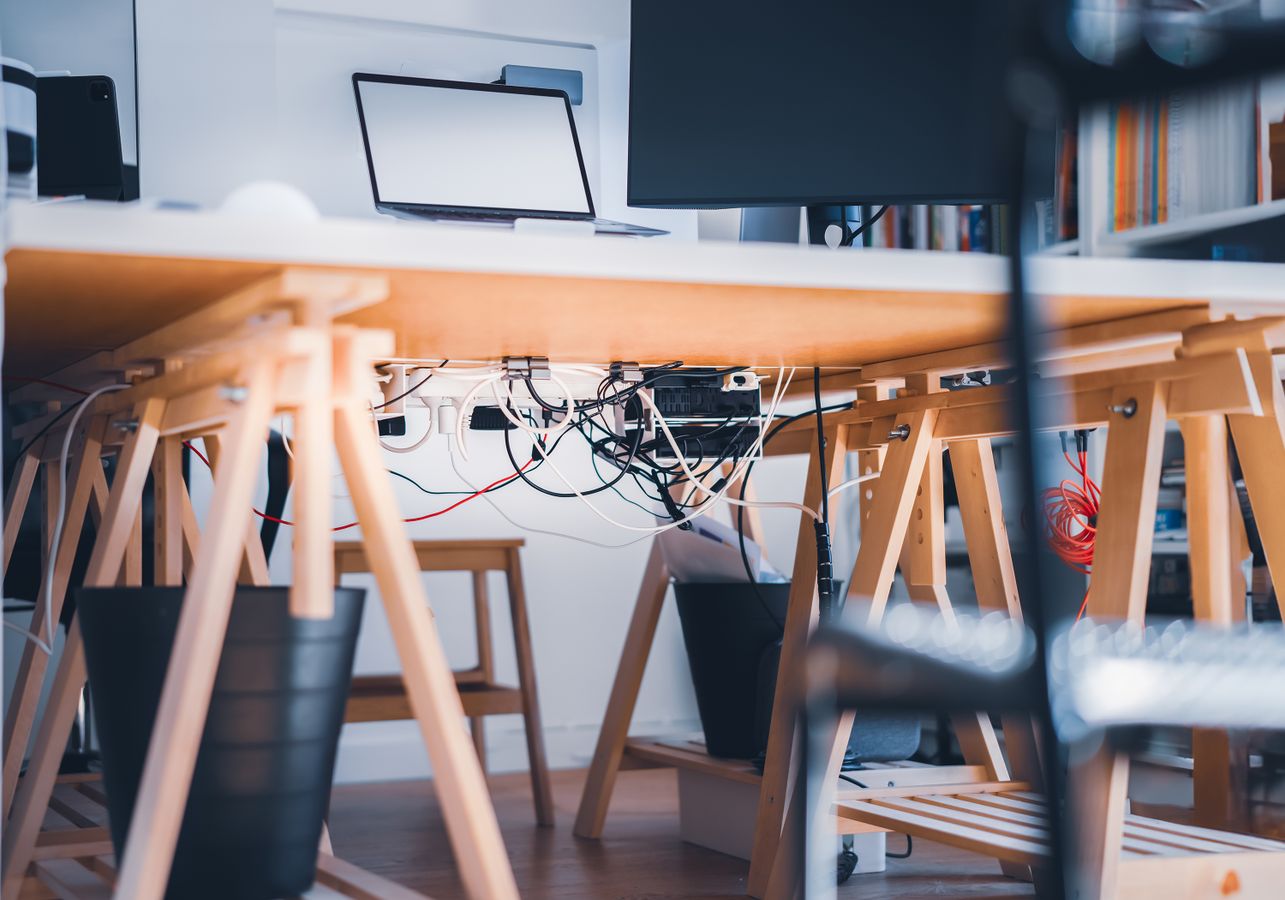
Look for a collision sensor that stops the desk if it hits something. A cable tray helps keep the wires from snagging when the desk moves.
Use it well
Alternate positions, and use an anti-fatigue mat and supportive shoes when standing. Keep the screen at eye level in both positions.